
Plants
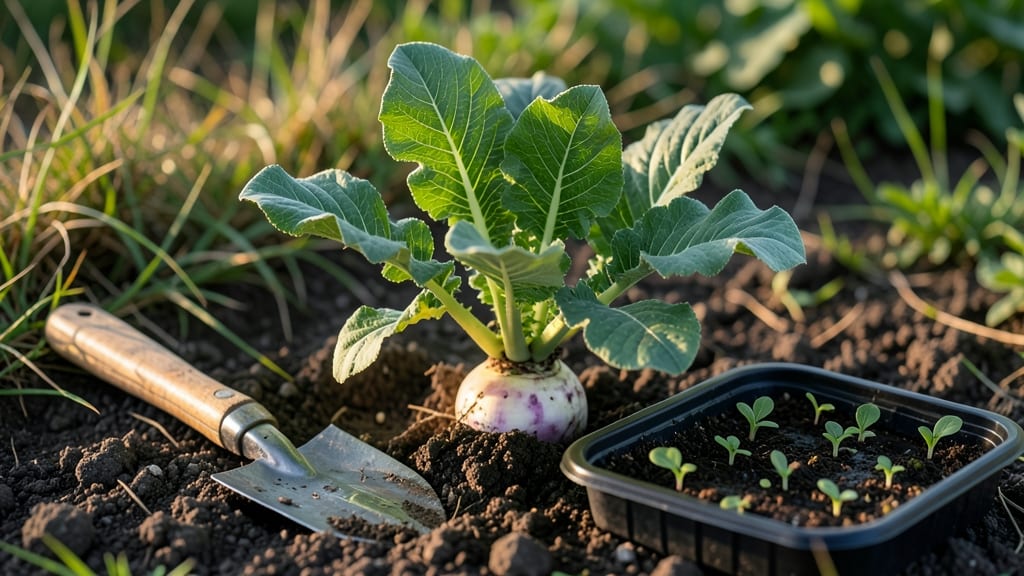
To plant turnips in Texas, aim for August–September in fall or February–March in spring, when soil temps hover between 45°F and 85°F—any hotter, and they bolt like a jackrabbit.
Texas gardeners know timing is everything—plant turnips too early, and they bolt in the heat; too late, and frost ruins your harvest. Master the perfect frost-free window to grow crisp, flavorful turnips year-round in the Lone Star State.
In North Texas (8a), where frost can sneak in by December, focus on late summer sowing for a fall harvest before temperatures dip. Meanwhile, South Texas (10b) gardeners can stretch their season into early winter, thanks to milder nights.
Below, I break down the exact planting calendar by region, heat-tolerant varieties that won’t wilt in 90°F+ temps, and pro tips to avoid the three biggest Texas turnip mistakes—so you can harvest sweet, tender roots instead of tough, pithy ones.
Texas turnip planting calendar: best months by region (frost dates & heat zones)
Texas's diverse climate means your turnip planting schedule should match your region—whether you're in North Texas with its chilly winters or South Texas where mild winters linger. The key is planting 4-6 weeks before the first frost for fall harvests or 4-6 weeks after the last frost for spring crops.
Let’s break down the perfect timing for each Texas zone to avoid bolting in summer heat or frost damage in winter.
Turnips thrive in cool-season temperatures (50°F-70°F), making fall and spring the ideal planting windows. However, Texas’s variable frost dates and heat zones (8a-10b) mean your schedule should adjust based on whether you’re in Dallas/Fort Worth, Austin/San Antonio, or Houston/Corpus Christi.
Below, we’ll map out the best months for each region, plus the heat-tolerant varieties that can stretch your growing season.
Why timing matters: Plant too early, and turnips bolt (go to seed) in the heat. Plant too late, and frost turns your harvest to mush. Texas’s first frost dates range from December 15 (North) to January 1 (South), while last frost dates shift from January 31 (North) to February 15 (South). Use these as your guideposts for turnip success.
For North Texas gardeners (Dallas/Fort Worth), aim to plant turnips in late August or early September for a fall harvest before frost hits around mid-December. If you’re planting for spring, February is your best bet—just make sure to use row covers if late frosts linger.
The 'Purple Top White Globe' variety is a favorite here because it handles cooler temps well.
In Central Texas (Austin/San Antonio), you’ve got a slightly longer window. Start seeds in late September for a fall crop, or wait until early March for spring.
The milder winters here let you push the envelope with 'Hollow Crown', a variety that resists bolting better than others in 70°F+ temps. Just be ready to harvest by late November to avoid frost.
Gardeners in South Texas (Houston/Corpus Christi) can plant turnips almost year-round, but September-October is ideal for fall harvests. The 'Shogoin' variety is a standout here—it thrives in heat up to 85°F and produces tender greens even when roots struggle. For spring, March-April planting works well, with harvests ready by May.
Pro tip: Use shade cloth (30-50%) in summer to protect turnips from bolting if you’re experimenting with late-summer plantings. This is especially useful in South Texas, where even mild summer heat can trigger early flowering. Pair your turnips with radishes or lettuce to maximize space and confuse pests.
Remember, turnips are fast growers (30-70 days to harvest), so succession planting every 2-3 weeks ensures a steady supply. Whether you’re in freeze-prone North Texas or mild South Texas, sticking to this calendar will give you crisp, flavorful turnips all year.
Need more precision? Check your local AgriLife Extension office for micro-climate adjustments—urban areas like Dallas can be 2-3°F colder than rural zones, delaying frost slightly. Happy planting!
Heat-tolerant turnip varieties that thrive in Texas summers (and how to extend fall harvests)
Texas summers can turn your turnip patch into a sad, bolted mess—but not with the right varieties! Heat-tolerant turnips like 'Tokyo Cross' and 'Purple Top White Globe' stay crisp and sweet even when temperatures hit 95°F+. The secret?
Choosing varieties bred for high-heat performance and using shade cloth to trick plants into thinking it's cooler. Let's dive into the top 5 varieties that won't quit in Texas heat—and how to keep them producing all fall long.
Most gardeners assume turnips are a cool-season crop, but Texas gardeners know better. With the right approach, you can grow tender, flavorful turnips from August through November without bolting disasters. The key is selecting slow-bolting varieties and giving them a little afternoon shade when temps soar.
I’ve grown these same varieties in San Antonio’s Zone 8b for years, and they’ve never let me down.
When to Plant Turnips in Texas
Plant in August-September for fall harvests
Use shade cloth (30-50%) during peak afternoon heat
Choose slow-bolting varieties like 'Tokyo Cross'
Avoid planting before July—soil stays too hot
Skip soil prep—amend with compost for heat tolerance
Let roots grow too large—harvest at 1-2 inches
🌡️ Pro Tip: Test soil temp—turnips thrive when soil is 60-70°F.
Here are my top 5 heat-tolerant turnip varieties for Texas gardens, ranked by performance in 90°F+ heat. 'Tokyo Cross' tops the list—it’s a Japanese heirloom that stays sweet and crisp even when other varieties bolt.
The round, white roots are perfect for roasting or eating raw, and the mild-flavored greens are great for salads. For something different, try 'Purple Top White Globe', which adds purple-streaked tops to your harvest table.
To extend your fall harvest, use shade cloth (30-50%) during the hottest part of the day—typically 12 PM to 4 PM. This simple trick can lower soil temps by 10-15°F, preventing bolting.
I’ve seen turnip plants last 2-3 weeks longer in the garden when shaded this way. Pair this with drip irrigation to keep roots cool and moist, and you’ll have turnips well into November.
Prepping your soil is just as critical as choosing the right variety. Texas clay soil can bake hard in summer, so amend with 3-4 inches of compost before planting.
Mix in a balanced fertilizer (5-10-10) to give your turnips a nutrient boost, and mulch with straw or shredded leaves to retain moisture. This combo keeps roots cool, fed, and hydrated—even when temps hit 100°F.
Don’t forget to succession plant every 2 weeks starting in mid-August. This ensures a steady harvest through October and November. In my Austin garden, I’ve had turnips ready to pull every 10-14 days using this method.
For a bonus harvest, try planting a second crop in late September with 50% shade cloth—you’ll be surprised how well they perform!
With the right varieties, shade, and soil prep, you can enjoy homegrown turnips long after your neighbors’ gardens have given up. Try these tips this summer, and you’ll have crisp, sweet turnips straight from your Texas soil—no bolting in sight! 🥬