
Planting
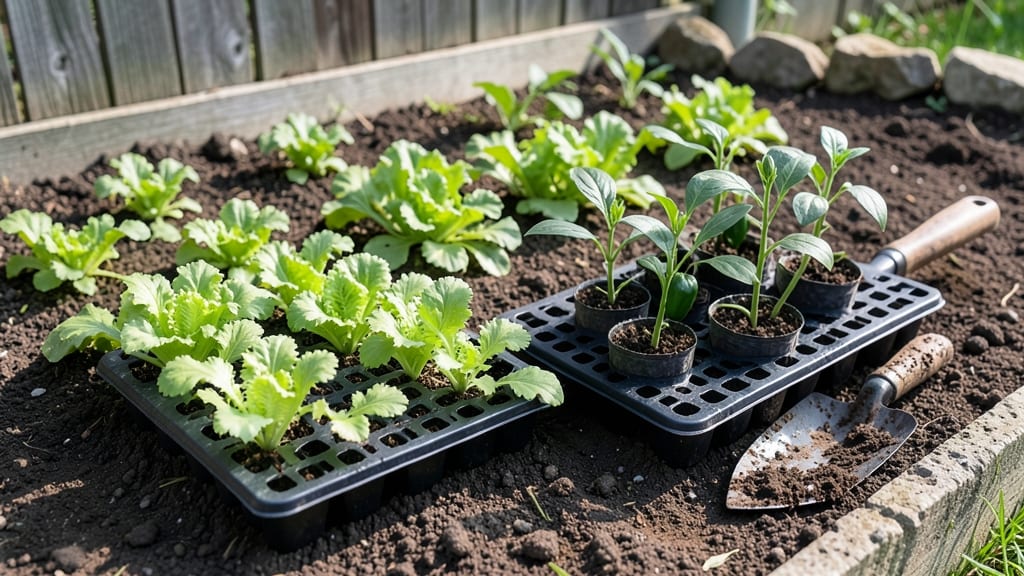
Planting a vegetable garden in Oklahoma at the right time means the difference between a bountiful harvest and a wilted disappointment—and timing it just right is everything.
Oklahoma’s unpredictable weather can turn a gardener’s dream into a nightmare if you plant too early or too late—but getting it right means cool-season crops like spinach thrive in spring, while tomatoes and peppers wait patiently until the soil warms.
With USDA Zones 6b to 8a, your last frost date shifts from mid-March in northern Oklahoma to early February in the south. That’s why knowing exact deadlines for starting seeds indoors, transplanting seedlings, and direct sowing is the key to avoiding frost damage or heat stress.
In this guide, I’ll break down the month-by-month planting calendar for Oklahoma, share pro tips for adjusting to microclimates, and help you avoid common mistakes—so you can enjoy fresh veggies from spring through fall.
Oklahoma’s planting zones: when to start seeds indoors vs. direct sowing outdoors
Oklahoma spans USDA Zones 6b through 8a, meaning gardeners here face varying frost dates and growing seasons. In Zone 6b (northern OK), the last frost typically hits March 15, while Zone 8a (southern OK) can see frost as late as February 15.
This variance makes timing everything—whether you're starting seeds indoors or direct sowing outdoors—critical for success.
Cool-season crops like lettuce, spinach, and peas thrive when planted 4-6 weeks before your last frost date. Warm-season crops such as tomatoes, peppers, and cucumbers need to wait until 2-3 weeks after the last frost to avoid frost damage.
My rule? Plan ahead—Oklahoma’s weather can shift faster than a summer storm!
Below is your zone-specific planting timeline, including when to start seeds indoors, transplant seedlings, and direct sow outdoors for Oklahoma City, Tulsa, and rural areas. Use this as your garden’s roadmap to avoid common mistakes like planting tomatoes too early or missing the window for cool-season crops.
🌱
| Zone & Region | Last Frost Date | Start Seeds Indoors | Transplant Seedlings Outdoors | Direct Sow Cool-Season Crops | Direct Sow Warm-Season Crops |
|---|---|---|---|---|---|
| Zone 6b (Northern OK, e.g., Enid, Woodward) | March 15 | Feb 1 - Feb 15 (peppers, tomatoes) | April 15 - April 30 | March 1 - March 15 (lettuce, spinach) | May 1 - May 15 (beans, squash) |
| Zone 7a (Oklahoma City, Stillwater) | March 1 | Jan 15 - Feb 1 (tomatoes, peppers) | March 20 - April 10 | Feb 15 - March 1 (kale, peas) | April 15 - April 30 (cucumbers, corn) |
| Zone 7b (Tulsa, Lawton) | February 28 | Dec 15 - Jan 15 (early tomatoes) | March 1 - March 20 | Jan 1 - Feb 15 (broccoli, carrots) | April 1 - April 15 (eggplant, peppers) |
| Zone 8a (Southern OK, e.g., Altus, Lawton) | February 15 | Nov 15 - Dec 31 (early starts) | Feb 15 - March 1 | Dec 1 - Jan 31 (spinach, radishes) | March 15 - March 31 (melons, okra) |
For Oklahoma City (Zone 7a), I always start tomato and pepper seeds indoors in mid-January. By March 20, my seedlings are hardy enough to transplant outdoors after the last frost.
Meanwhile, in southern Oklahoma (Zone 8a), gardeners can direct sow warm-season crops like okra as early as March 15, thanks to their earlier last frost date.
Direct sowing cool-season crops like lettuce or spinach should happen 4-6 weeks before your last frost. In Zone 6b, that means planting by March 1, while Zone 8a gardeners can start as early as December 1 for a winter harvest.
Pro tip: Use row covers to extend your growing season if frost threatens!
Warm-season crops like tomatoes and peppers are more forgiving but still need warmth. In northern Oklahoma, wait until May 1
Best vegetables to plant by month in Oklahoma: month-by-month planting calendar
Oklahoma’s unpredictable spring frosts and scorching summer heat demand precision when planting your vegetable garden. Miss the window by even a few weeks, and you’ll risk bolting broccoli or wilting tomatoes. But get it right, and you’ll enjoy a continuous harvest from early spring through fall.
The key is understanding which cool-season crops thrive in Oklahoma’s mild winters and which warm-season vegetables need to wait for soil to warm.
Most Oklahoma gardeners fall into USDA Zones 6b-8a, meaning your last frost date ranges from mid-February in southern Oklahoma to mid-March in the north. Warm-season crops like tomatoes and peppers can’t tolerate frost, while kale and spinach actually prefer cooler weather.
Below is your month-by-month planting guide, tailored to Oklahoma’s climate quirks, so you can avoid common pitfalls like overcrowded seedlings or heat-stressed transplants.
- March: Peas (direct sow), spinach, lettuce, onions, and broccoli (start indoors). Soil temps should be 40-50°F.
- April: Carrots, radishes, cabbage, and beets (direct sow). Transplant broccoli and cauliflower seedlings. Potatoes can go in after soil warms to 50°F.
- May: Tomatoes, peppers, eggplants, and squash (transplant after last frost, usually mid-April). Direct sow beans, corn, and cucumbers.
- June: Succession plant beans, zucchini, and cucumbers every 2 weeks for continuous harvest. Okra and sweet potatoes thrive in summer heat.
- July: Plant fall crops like kale, turnips, and collards in shade cloth to protect from heat. Winter squash can be direct-sown.
- August: Direct sow broccoli, cabbage, and carrots for fall harvest. Transplant cool-season seedlings like spinach and lettuce.
- September: Plant garlic for next year’s harvest. Winter squash and beets can still be direct-sown. Onions and leeks thrive in cool fall soil.
Timing is everything in Oklahoma’s garden. For example, planting tomatoes too early—before soil temperatures hit 60°F—can stunt their growth, while waiting too long risks heat stress as temperatures climb above 90°F. My trick?
Use row covers to extend the season for cool crops in spring and shade cloth to protect warm-season plants in summer. This simple adjustment has helped me avoid blossom-end rot in tomatoes and bitter greens in lettuce.
Don’t overlook succession planting—it’s the secret to a non-stop harvest. In Oklahoma’s short growing season, planting beans or lettuce every 2-3 weeks ensures you’re always enjoying fresh produce.
For instance, I sow radishes every 10 days from March through September; they mature in just 30 days, giving me quick wins between slower-growing crops.
One of my biggest lessons? Southern Oklahoma’s warmer microclimates allow for earlier planting than northern regions. If you’re in Zone 8a, you can direct-sow peppers in early April, while Zone 6b gardeners should wait until mid-May.
Always check local frost dates and adjust accordingly—your neighbors’ gardens might be thriving while yours struggles if you’re off by even a week.
Finally, remember that Oklahoma’s summer droughts can stress young plants. Always water deeply in the morning to prevent fungal diseases, and mulch heavily to retain moisture.
With this month-by-month guide, you’ll avoid the heartbreak of wilted seedlings or bolted greens and instead enjoy a garden that produces all season long. 🌱