
Vegetables
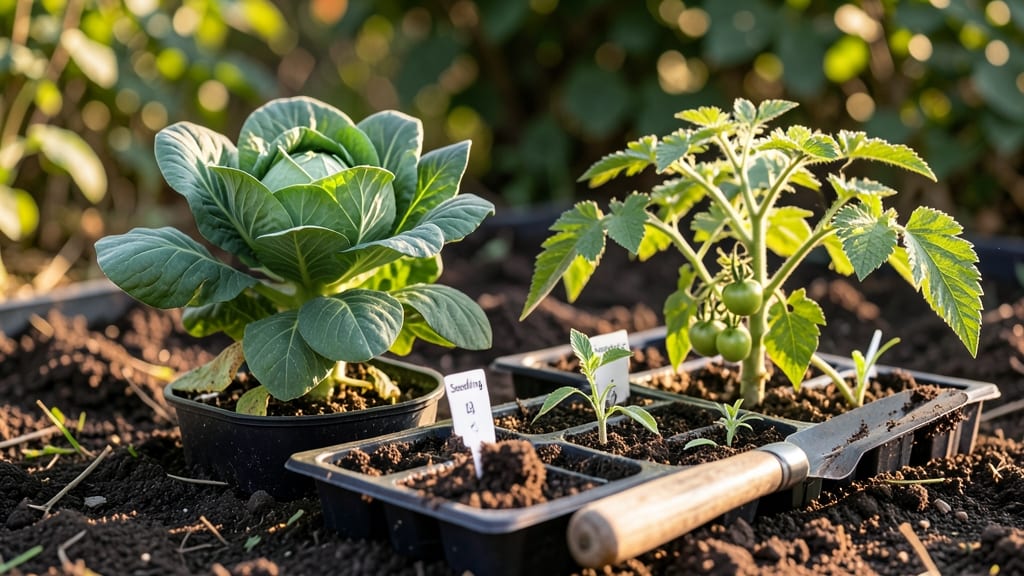
Planting vegetables in Alberta at the right time means the difference between a bumper harvest and a wasted season—and with last frost dates that can vary by weeks, timing is everything.
Alberta’s unpredictable climate—from late spring frosts to early fall freezes—can turn your vegetable garden dreams into a gamble if you don’t time your planting just right. But with the right zone-specific deadlines, you can maximize your harvest and avoid the heartbreak of frost-killed seedlings.
Whether you’re growing 🥕 cold-hardy greens in April or heat-loving tomatoes in June, knowing your local frost dates is the key. This guide breaks down the exact windows for Alberta’s 3a-4b zones, so you can plant with confidence and enjoy fresh veggies from June to October.
From soil prep tips to succession planting strategies, you’ll learn how to stretch Alberta’s short growing season—and which varieties thrive best in each month. Let’s get those seeds in the ground the right way!
Alberta planting zones: key dates by region for frost-free success
Alberta’s USDA hardiness zones 3a-5b create dramatic differences in planting timelines across regions. Whether you're in Calgary’s zone 4a or Lethbridge’s zone 5a, knowing your last frost dates and frost-free periods determines whether your tomatoes thrive or peppers perish.
Let’s break down the critical deadlines by region so you can plant with confidence.
For cool-season crops like peas, spinach, and kale, you can start as early as mid-April in southern Alberta (Lethbridge, Brooks), while northern areas like Edmonton and Red Deer should wait until late April to early May.
Warm-season crops like tomatoes, peppers, and cucumbers demand patience—wait until after your last frost date, typically mid-to-late May, but verify with local Alberta Agriculture reports.
Here’s your region-specific planting timeline based on Alberta’s most common microclimates, including last frost dates, hardiness zones, and ideal transplant windows for both cool-season and warm-season vegetables:
If you’re in zone 5a (Lethbridge), you can squeeze in a second planting of warm-season crops like beans or squash by early July, giving them time to mature before the first frost in mid-September.
Meanwhile, gardeners in zone 3a (Peace River) should focus on early-maturing varieties or use row covers to extend their season.
For fall planting, aim to sow cool-season crops like spinach, radishes, and kale by mid-to-late July in southern Alberta. In northern regions, start these by early August to ensure they mature before first frost.
Always check Alberta Agriculture’s frost forecasts—a late summer heatwave can delay frost, giving you extra time for succession planting.
Pro tip: Use black plastic mulch or straw bales to warm soil faster in early spring, helping cool-season crops like peas and lettuce establish before frost. For warm-season crops, wait until soil temps reach 10°C (50°F)—use a soil thermometer to avoid false starts with tomatoes or peppers.
Remember, micro
Best vegetables to plant in Alberta by season (with exact timing)
Alberta’s short growing season demands precision when planting vegetables. Timing is everything—miss the window, and you risk losing your hard work to frost or stunted growth.
The key is understanding which crops thrive in Alberta’s cool springs and warm summers, while others need protection from late frosts or early freezes. With the right schedule, you can enjoy fresh potatoes, cabbage, and even tomatoes year after year.
Start by noting your last frost date—typically around May 15—and work backward for cool-season crops like peas and spinach. Warm-season favorites such as beans and peppers need to wait until after the soil warms, usually by June 1.
Succession planting is your secret weapon: staggering plantings every 2-3 weeks ensures a continuous harvest until the first frost in September.
- 1 April 1–15: Start cool-season crops indoors or under row covers. Plant peas, spinach, and lettuce directly in well-drained soil once temperatures rise above 5°C.
- 2 May 1–15: Transplant cabbage, broccoli, and kale after last frost. Direct-sow radishes and carrots for quick harvests. Use black plastic mulch to warm soil for potatoes.
- 3 June 1–15: Plant tomatoes, peppers, and beans after soil reaches 15°C. Start succession plantings of lettuce and bush beans every 2 weeks for extended harvests.
- 4 July 1–15: Direct-sow fall crops like kale and spinach for August–September harvests. Thin carrots and beets to avoid overcrowding. Mulch to retain moisture.
- 5 August 1–15: Plant hardy greens (e.g., radishes, turnips) for fall harvests. Protect tender plants with row covers if nights dip below 10°C.
Alberta’s cold-hardy crops like potatoes and cabbage are your best friends for early planting. Potatoes can go in the ground as early as April 15 if covered with straw to prevent frost heave.
Meanwhile, cabbage and broccoli handle light frosts, making them ideal for May plantings. For warm-season crops, wait until the soil is consistently above 10°C—usually by June 1—to avoid stunted growth.
Don’t forget about succession planting! By sowing lettuce or radishes every 2 weeks from May through July, you’ll enjoy fresh harvests until the first frost.
This technique is especially useful for short-season crops like bush beans and spinach, ensuring you don’t miss out on a single bite of homegrown goodness.
For late-season extensions, try fall plantings of kale and spinach in July. These cold-tolerant greens sweeten after frost and can be harvested straight through October. Pair them with radishes or turnips for a quick, rewarding harvest before winter sets in.
Pro tip: Keep a gardening journal to track your planting dates and note which crops thrive in your microclimate. Alberta’s variable weather means your ideal timing might shift slightly from year to year—adjust as needed! With this seasonal guide, you’ll turn Alberta’s challenges into a bountiful harvest every year. 🌱