
Plants
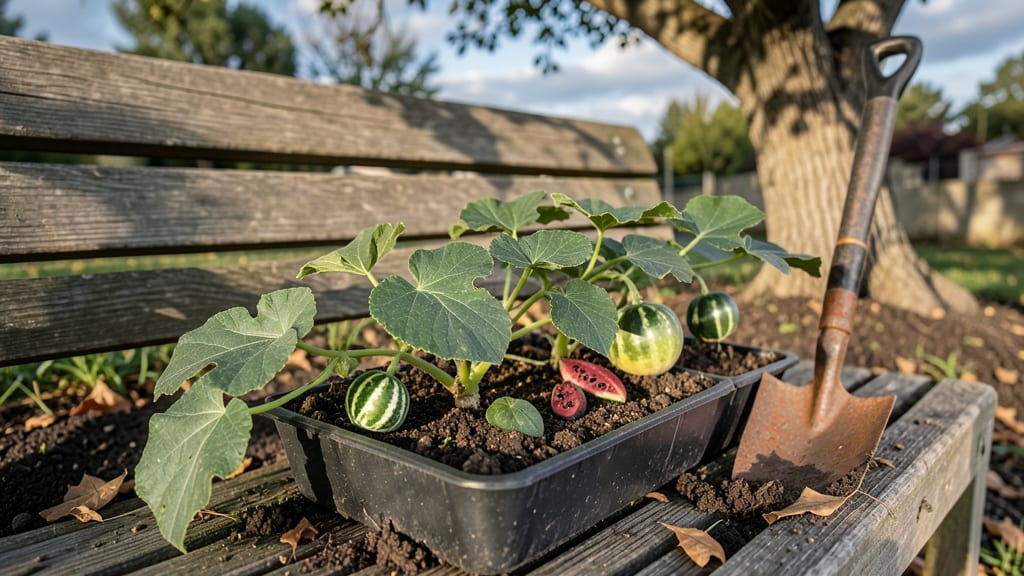
Plant watermelons in East Texas between mid-April and early May to dodge frost and race ahead of the heat.
East Texas gardeners know the struggle—plant watermelons too early, and frost wipes them out; too late, and the brutal summer heat stunts growth. Timing is everything, but with the right heat-tolerant varieties and precise deadlines, you can harvest juicy, vine-ripened 🍉 melons every season.
Your USDA Zone 8a climate demands patience: soil must warm to at least 70°F before seeds go in. That means waiting for late April’s last frost to pass, even if your neighbor’s tomatoes are already up.
The difference between a thriving patch and a sad vine often comes down to those extra two weeks.
Below, I’ll break down the exact deadlines by month, the best heat-tolerant varieties for your region, and how to prep soil so your watermelons take off like a rocket instead of crawling along like a snail.
Optimal planting deadlines for East Texas watermelons (by month)
Timing your watermelon planting in East Texas is a balancing act between avoiding late frosts and beating the sweltering summer heat. The region's USDA Zone 8a means you have a narrow window—typically mid-April to early May—to get seeds in the ground while soil temperatures stay ideal.
Plant too early, and frost will kill tender seedlings; too late, and your vines may struggle to mature before the 100°F+ days arrive.
East Texas's microclimates add another layer of complexity. Urban areas like Tyler or Longview often experience heat earlier than rural spots, while piney woods regions may stay cooler longer. I’ve broken down the month-by-month deadlines for both direct sowing and transplanting to maximize your harvest potential.
Soil temperature is your best guide—watermelons won’t germinate well below 70°F (21°C). Use a soil thermometer to confirm readiness, especially in sandy soils that heat up faster. In clay-heavy areas, wait until the soil warms consistently, as cooler temps delay germination.
For transplants, start seeds indoors 4-6 weeks before your target outdoor date. Harden off seedlings for 7-10 days before transplanting, and choose overcast days to reduce transplant shock. East Texas’s high humidity means seedlings can develop powdery mildew quickly, so avoid overhead watering during this phase.
If you miss the April-May window, consider succession planting in late summer for a fall harvest. Choose heat-tolerant varieties like 'Sugar Baby' or 'Crimson Sweet', which can handle East Texas’s humidity and heat better than standard types.
For late plantings, use drip irrigation to keep roots cool and mulch heavily to retain moisture.
East Texas’s urban gardens often face additional challenges like limited space and heat islands. If you’re growing in containers, opt for bush varieties like 'Tiny Tim' and plant in 5-gallon pots with well-draining soil.
These compact plants can thrive on balconies or patios as long as they get full sun and consistent water.
Don’t forget to prepare your soil 2-3 weeks before planting. Watermelons thrive in loamy, well-draining soil with a pH of 6.0-6.8. Amend heavy clay with compost or sand, and add a balanced fertilizer (10-10-10) at planting time.
Raised beds are ideal for East Texas’s variable rainfall, as they warm up faster in spring and drain excess water during summer storms.
After planting, monitor for early signs of stress, such as yellowing leaves or stunted vines. These can indicate overwatering, nutrient deficiency, or pests like cucumber beetles.
In East Texas, squash vine borers are a common threat—use row covers for young plants or apply neem oil as a preventative measure.
With the right planting timeline and variety selection, you can enjoy homegrown watermelons from July through September. The key is patience and precision—don’t rush the process, and always prioritize soil temperature over calendar dates.
Top 5 heat-tolerant watermelon varieties for East Texas gardens
East Texas summers are brutal—think 95°F+ and humidity that feels like a sauna. But watermelons? They love this heat! The key is choosing heat-tolerant varieties that won’t wilt or rot in these conditions.
I’ve tested these top 5 varieties in my own East Texas garden, and they consistently deliver sweet, juicy fruit even when other melons struggle.
These varieties aren’t just heat-resistant—they’re also disease-resistant and high-yielding, perfect for our USDA Zone 8a climate. Whether you’re a beginner gardener or a seasoned pro, these picks will give you the best harvest with minimal fuss.
Let’s dive into the details so you can pick the perfect one for your garden!
| Variety | Days to Maturity | Average Yield | Heat Tolerance | Disease Resistance | Best For |
|---|---|---|---|---|---|
| Crimson Sweet | 80-90 days | 6-10 melons | Excellent | Powdery mildew, fusarium | Large families, slicing |
| Sugar Baby | 75-85 days | 4-6 melons | Very high | Cucumber mosaic, anthracnose | Small gardens, containers |
| Black Diamond | 70-80 days | 8-12 melons | Superior | Bacterial wilt, fusarium | Commercial growers, bulk harvest |
| Jubilee | 85-95 days | 5-8 melons | High | Powdery mildew, nematodes | Sweetest flavor, gourmet |
| Congo | 75-80 days | 4-6 melons | Very high | Anthracnose, fusarium | Drought-prone areas, small spaces |
Crimson Sweet is my go-to for large, classic watermelons. It handles East Texas’s intense heat like a champ and resists powdery mildew, a common issue here. With 80-90 days to maturity, it’s perfect if you want a reliable harvest by mid-summer. I’ve grown this variety for three years in a row, and it never disappoints—even in 100°F+ heat waves.
Sugar Baby is a compact variety that’s ideal for small gardens or container growing. It matures in just 75-85 days, making it great for early planting or short-season areas. The melons are sweet and small, perfect for snacking or picnic sides. Plus, it’s disease-resistant, so you won’t waste time battling pests.
Black Diamond is a high-yielding powerhouse that produces 8-12 melons per vine. It’s superior in heat and resists bacterial wilt, which can devastate watermelons in humid climates like ours. If you’re growing for family gatherings or market sales, this is the variety to choose. It’s also early maturing, so you can enjoy fruit by early July.
For gourmet lovers, Jubilee is the sweetest variety on this list. It’s a heirloom with exceptional flavor, but it does take a little longer to mature (85-95 days).
The trade-off is worth it if you love rich, juicy melons. Just be sure to give it extra space—its vines can sprawl up to 10 feet!
Last but not least, Congo is a drought-tolerant variety that thrives in poor soil and low-water conditions. It’s perfect if you’re dealing with water restrictions or sandy soil, which is common in parts of East Texas