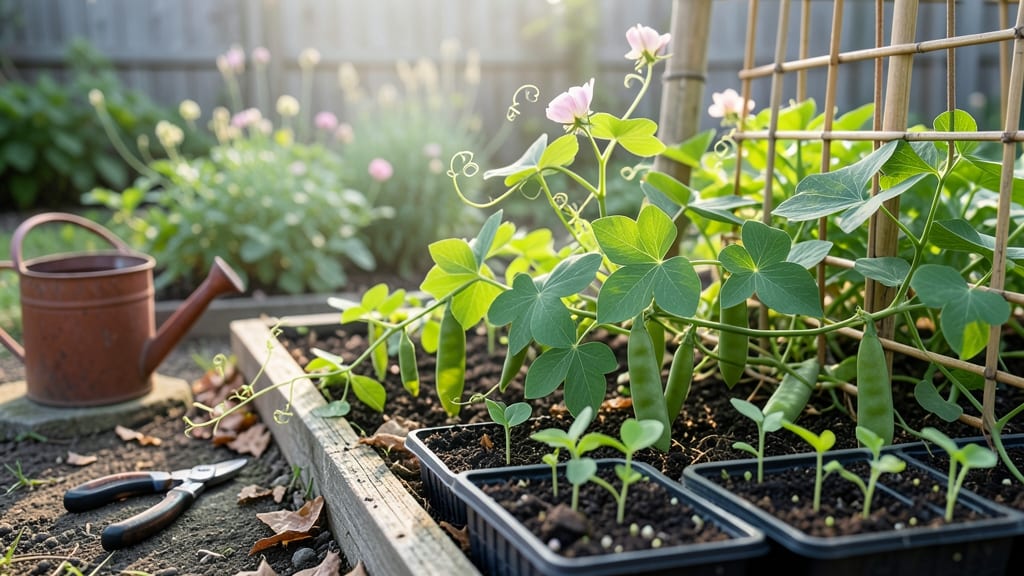
Plant sugar snap peas in Zone 9 between October and November or February and March to beat the heat and get a crisp harvest. Sugar snap peas thrive in cooler weather, but Zone 9’s relentless heat can turn your garden…
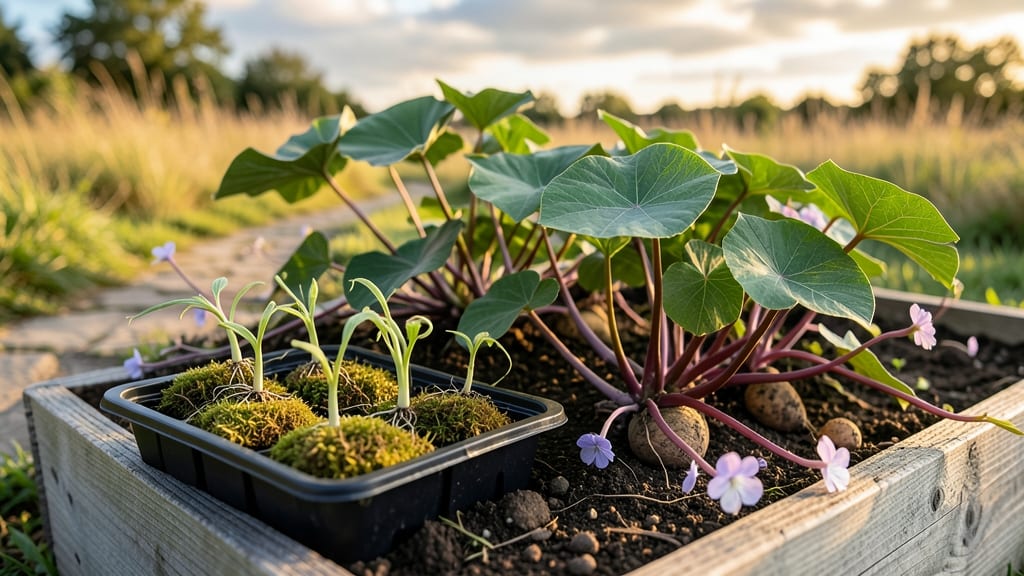
Plant sweet potatoes in East Texas after your last frost—typically between mid-April and early June —when soil temperatures hit a steady 65°F 🍠. East Texas gardeners know timing is everything—plant too early, and you…
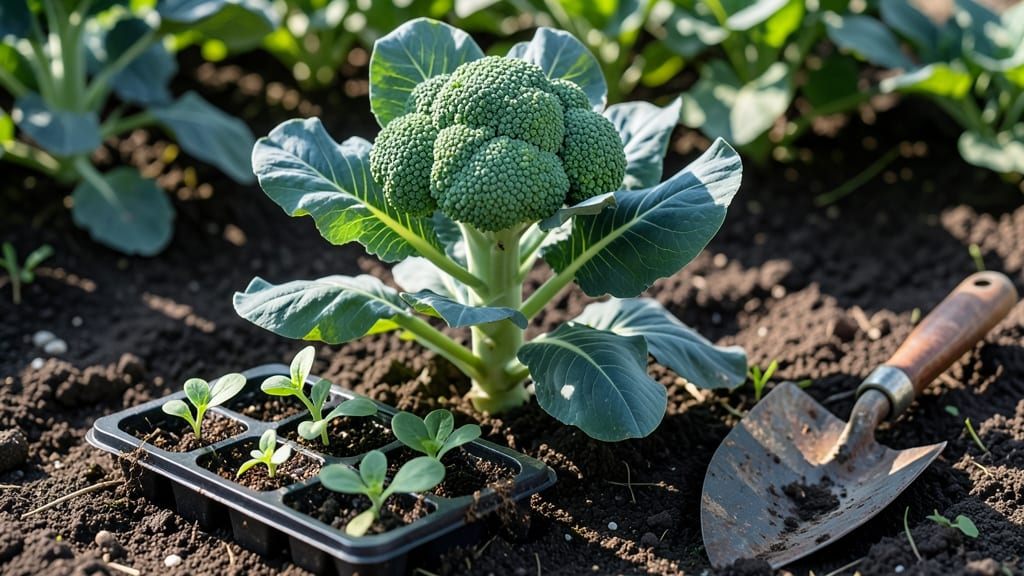
Planting broccoli in Texas requires timing it just right to avoid the brutal summer heat, which can send your plants bolting before they even form heads. Texas gardeners know that broccoli can be a finicky crop—too much…
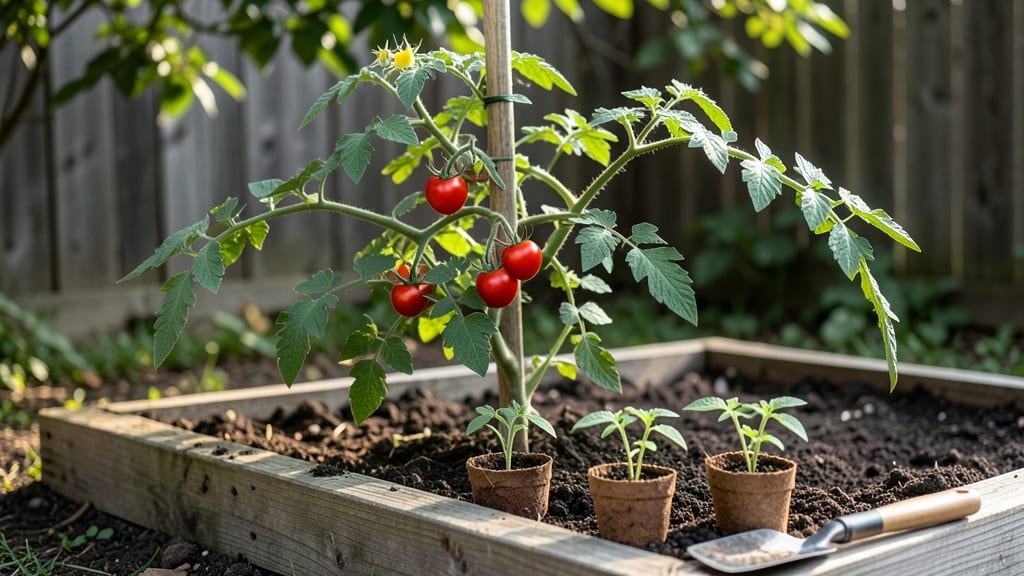
Planting tomato plants in Pennsylvania after the last frost—typically April 20 —is the key to avoiding frost damage and maximizing your 🍅 harvest . Pennsylvania gardeners know timing is everything—plant tomatoes too…
Planting centipede seed in North Carolina at the right time means the difference between a fast, lush lawn and a frustrating delay. If you’ve ever watched your centipedegrass 🌱 seeds sit dormant for weeks—waiting for…
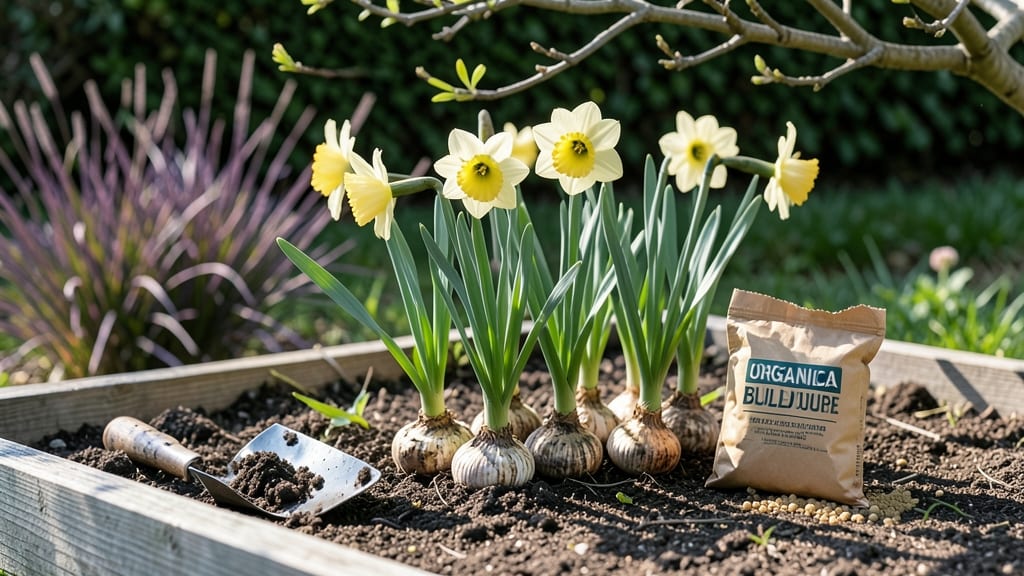
Planting daffodils in Massachusetts during fall ensures vibrant spring blooms 🌼, but timing is everything in Zone 6a’s unpredictable climate. Massachusetts gardeners know timing is everything—and planting daffodils too…
Planting dahlias in Zone 8a after your last frost — typically between late March and early May — sets you up for a summer of bold blooms 🌼. Zone 8a gardeners know the struggle—plant dahlias too early, and the heat zaps…
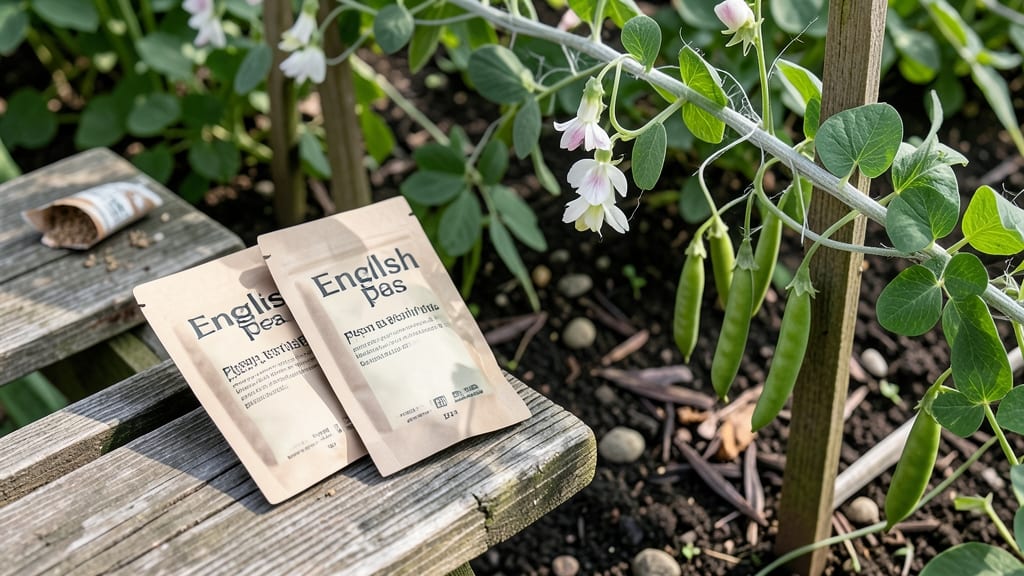
Plant English peas 🌱 in Zone 8 between late February and early March to beat the heat and ensure a bountiful harvest before summer stress sets in. If you’ve ever watched your pea plants wilt under Zone 8’s relentless…
To plant a garden in Colorado at the best time means working with your USDA zone and elevation—because a wrong move here can turn your hard-earned seeds into frost bites or wilted dreams. Colorado’s diverse climate—from…
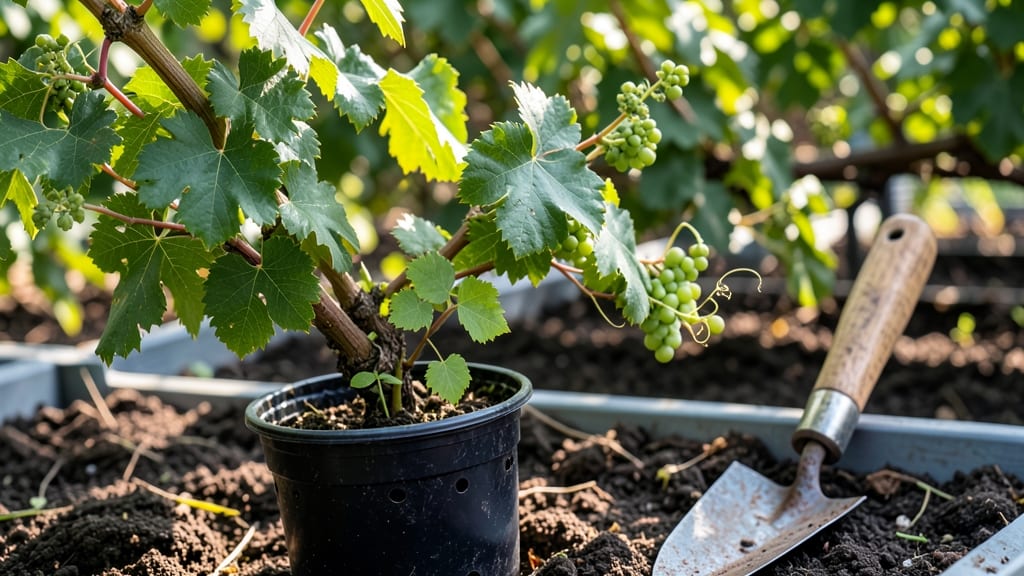
Planting grapes in North Carolina at the right time ensures strong root growth and a bountiful harvest 🍇 — aim for late winter to early spring or fall, when soil temperatures and frost risks align. North Carolina’s warm…
I’ve always had a green thumb—whether it was sneaking extra seeds from my mom’s garden when I was a kid or turning our backyard into a jungle of houseplants as a teenager. Now, I’m here to share the joy of growing things with you, from troubleshooting wilting leaves to celebrating that first harvest.
My approach is simple: practical advice, real experiences, and a little bit of the wonder I still feel every time something thrives.