
Plants
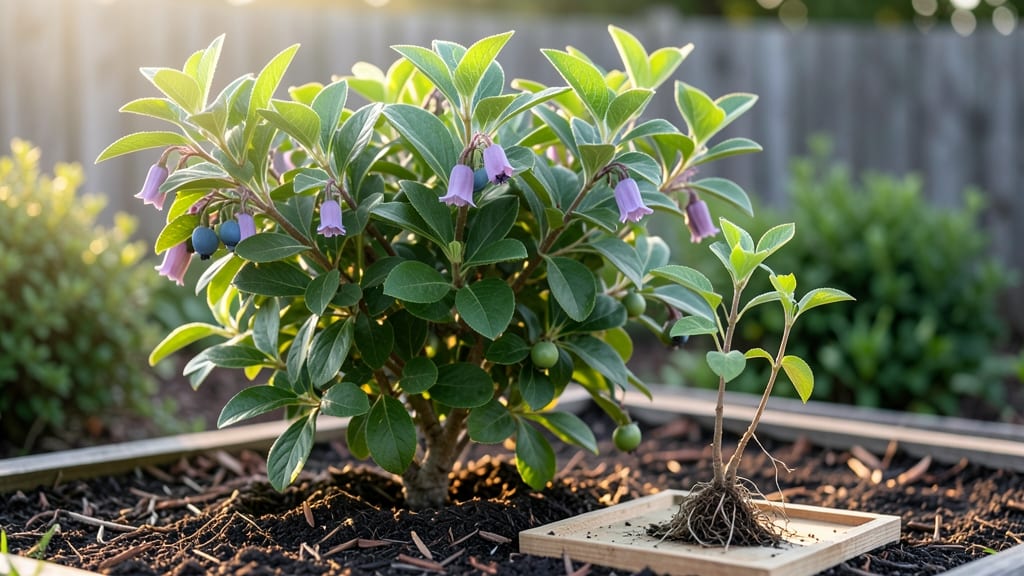
Plant blueberries in Southern California between November and February to catch the mild winter rains and avoid summer heat stress.
Southern California’s mild winters and hot summers make blueberry planting a delicate balancing act—but timing it right can mean the difference between a thriving bush and a struggling one.
Coastal areas like San Diego have a longer window (until late January), while inland zones near Palm Springs must plant by December to prevent early heat damage.
Below, I break down the exact microclimate deadlines by zone, soil prep secrets, and whether containers or in-ground planting wins in your area.
Southern California blueberry planting zones: exact timelines by microclimate
Southern California’s diverse microclimates create unique challenges for blueberry growers. The coastal areas like San Diego and Santa Barbara enjoy milder winters, while inland valleys such as Los Angeles and Riverside experience warmer days and cooler nights.
Meanwhile, desert regions like Palm Springs face extreme heat and low humidity. Each zone demands precise planting timing to avoid heat stress or frost damage.
Blueberries thrive in USDA Zones 7-10, but Southern California’s microclimates create distinct planting windows. Coastal zones (e.g., Malibu, Newport Beach) have the longest windows, while desert zones (e.g., Palm Springs, Joshua Tree) require early spring planting to escape summer heat. Inland zones (e.g., Pasadena, Temecula) fall somewhere in between, balancing frost risk and heat tolerance.
Soil preparation is critical—blueberries need acidic soil (pH 4.5-5.5) and well-draining conditions.
In coastal areas, organic matter like peat moss or compost helps retain moisture, while inland and desert zones benefit from sand amendments to prevent compaction. Container growing is a smart option for desert climates, where soil temperatures can exceed 100°F.
Here’s your microclimate-specific planting timeline, including frost risk and soil prep tips:
| Zone Type | Best Planting Window | Frost Risk | Soil Prep Tip | Container Option? |
|---|---|---|---|---|
| Coastal (e.g., San Diego, Santa Barbara) | Late October to March (avoid summer heat) | Low (rare frost below 32°F) | Add peat moss for moisture retention | Optional (but helps in urban heat islands) |
| Inland (e.g., Los Angeles, Riverside) | November to February (cooler months) | Moderate (light frost possible in valleys) | Mix sand for drainage in clay soils | Recommended for urban microclimates |
| Desert (e.g., Palm Springs, Joshua Tree) | January to early March (escape heat) | None (frost-free year-round) | Use container with shade cloth for summer | Highly recommended (soil temps too high) |
For coastal zones, aim to plant blueberries in late fall (October-November) to take advantage of winter rains and cooler temperatures. Inland zones should plant in November-December to avoid late-winter frosts, which can damage young roots. Desert zones must plant by early March to prevent summer soil temperatures from exceeding 95°F, which can kill roots.
Blueberries in Southern California need 6-8 hours of sunlight daily, but afternoon shade is crucial in inland and desert areas. Use drip irrigation to maintain consistent moisture—blueberries hate soggy roots but also can’t tolerate drought.
In containers, water every 1-2 days during summer, while in-ground plants need deep watering 2-3 times per week.
Mulch heavily with pine bark or wood chips to keep roots cool and retain moisture. In desert climates, apply mulch 3-4 inches deep to protect roots from extreme heat. Coastal areas can use lighter mulch (1-2 inches) since humidity is higher.
Avoid synthetic mulches—they can raise soil temperature and stress plants.
After planting, monitor for heat stress (yellowing leaves) or root rot (mushy stems). If leaves curl in summer, provide afternoon shade with a 50% shade cloth.
In inland zones, watch for late-winter frostsfrost cloth if temperatures drop below 30°F. With the right timing, your blueberries will thrive year-round!
Pro tip: Test your soil’s pH before planting—blueberries need acidic soil (4.5-5.5). If your soil is alkaline, amend it with sulfur or peat moss 2-3 months before planting. This gives microbes time to acidify the soil naturally. 🌱
How to choose the right blueberry variety for Southern California’s climate
Southern California’s warm winters and hot summers demand low-chill blueberry varieties that thrive without traditional cold dormancy. The wrong choice can lead to poor flowering or no fruit at all.
My top recommendation? Focus on Southern Highbush varieties like 'Duke,' 'O'Neal,' and 'Top Hat,' which require 250-400 chill hours—perfect for our climate.
First, consider your microclimate type. Coastal areas like San Diego need varieties that tolerate mild winters and salt spray, while inland zones (e.g., Riverside) benefit from heat-tolerant types like 'Peach Sorbet.' Always check your USDA Zone (9-11)—higher zones need extra heat protection.
Here’s the key: Soil pH is non-negotiable. Blueberries need acidic soil (4.5-5.5 pH). Test your soil and amend with sulfur or peat moss if needed. Without this, your plants will suffer from nutrient deficiencies and weak growth.
Now, let’s talk sunlight. Full sun (6-8 hours daily) is ideal, but inland areas may need afternoon shade to prevent heat stress. Varieties like 'Emerald' handle partial shade better than 'Duke,' which thrives in bright, direct light.
🌱 Pros & Cons: Top 3 Low-Chill Blueberry Varieties
Variety: 'Duke'
Chill Hours: 250-300
Pros:
- High yield (5-7 lbs/plant)
- Large berries (1.5" diameter)
- Heat-tolerant
Cons: - Needs full sun
- Sensitive to drought
Variety: 'O'Neal'
Chill Hours: 300-400
Pros:
- Early ripening (May-June)
- Disease-resistant
- Compact size (4-5 ft)
Cons: - Smaller berries (1")
- Needs acidic soil
Variety: 'Top Hat'
Chill Hours: 250-300
Pros:
- Dwarf size (2-3 ft)
- Great for containers
- Uniform ripening
Cons: - Lower yield (2-3 lbs/plant)
- Needs protection from wind
For container growing, 'Top Hat' or 'Peach Sorbet' are my top picks—their compact size makes them perfect for patios or balconies. Just ensure your pot has drainage holes and use a blueberry-specific potting mix with added sulfur.
Finally, don’t forget pollination needs. Most Southern Highbush varieties are self-pollinating, but planting two different varieties (like 'Duke' + 'O'Neal') can boost fruit set by up to 30%. Space plants 3-5 feet apart for airflow and easier harvesting.
With the right variety and care, you’ll enjoy homegrown blueberries year after year—no frost required! 🌿