
Flowers
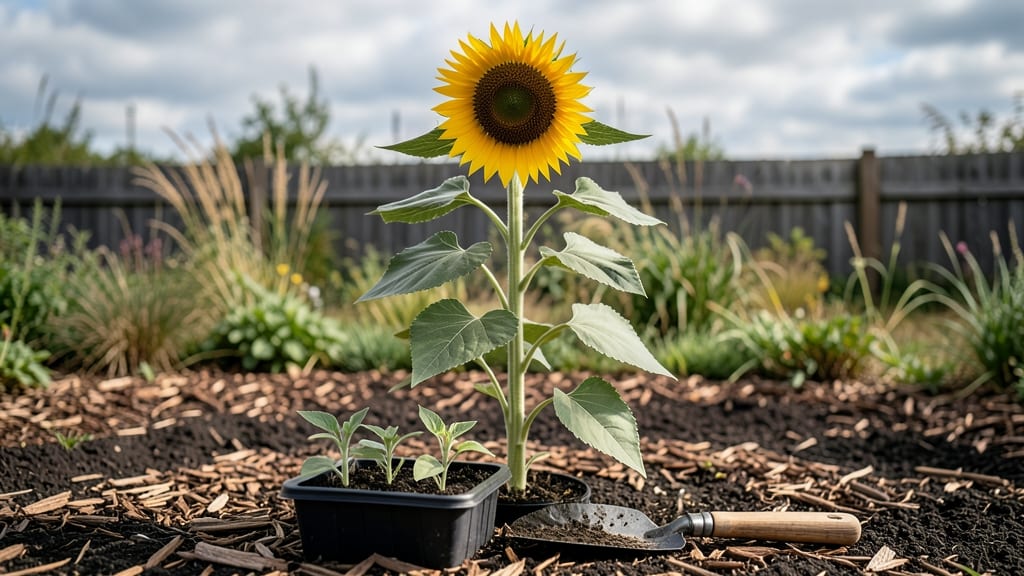
Planting sunflowers in Zone 9b during late winter to early spring ensures they bloom before the brutal summer heat arrives.
You’ve probably seen those towering 🌻 sunflowers in your neighbor’s yard, only to wonder why yours never make it past the heat. The secret isn’t just about soil or water—it’s timing. Plant too late, and your sunflowers will bolt in frustration before they even open.
Zone 9b’s mild winters and scorching summers make this a tricky balance. The ideal window is February to March, when soil temperatures hit 55°F and the risk of frost is gone. But if you miss that, don’t panic—there’s still a chance to grow sunflowers in fall for late-season blooms.
Below, I’ll break down the exact months to plant, how to pick heat-resistant varieties, and the simple tricks to keep your sunflowers thriving in Phoenix or the Southern California deserts.
Optimal sunflower planting times in Zone 9b: avoiding heat stress
Zone 9b’s intense summer heat (often exceeding 100°F) can turn sunflower seedlings into crispy snacks if planted too early. The key is timing—plant when soil temps stay above 55°F but before peak heat arrives. I’ve learned this the hard way after watching seedlings bolt in April’s scorching sun.
Sunflowers actually prefer cooler weather for germination and early growth. In Zone 9b, that means focusing on two ideal windows: late winter for spring blooms or early fall for autumn flowers. Let’s break down the exact timing and why it matters.
Here’s the critical temperature threshold you must watch: 60°F soil temp minimum for germination. Below that, seeds rot; above 85°F, seedlings struggle to establish roots. Zone 9b’s mild winters mean you can start earlier than northern zones—but not too early!
🌱
For spring planting, aim for late February to early March when daytime temps hover around 70-75°F. This gives seedlings 6-8 weeks to establish before summer’s 100°F+ heat arrives.
I’ve found that March 1st is my sweet spot—early enough to avoid heat stress but late enough to miss any lingering winter chill.
Pro tip: Use a soil thermometer to confirm temps. If your soil runs hotter than 80°F during the day, delay planting by 2-3 weeks. Shade cloth (30-50%) can buy you 10-14 days of extra time in late March if you’re desperate for earlier blooms.
Fall planting offers a second chance for sunflowers in Zone 9b. Plant late August through September when temps begin to cool. This method works beautifully for ‘Autumn Beauty’ varieties, which thrive in cooler fall weather and produce stunning multi-colored blooms just before winter.
🌿
One common mistake I see is planting sunflowers in April for "summer blooms." By then, the combination of heat and dry winds creates perfect conditions for transplant shock. Seedlings planted in April often bolt immediately (shoot up too fast) or develop blind stems (no flowers).
The solution? Start seeds indoors in late January and transplant when temps drop below 85°F in late April.
For container growing in Zone 9b, adjust your timeline by 1-2 weeks earlier since pots heat up faster. Use black fabric pots (they absorb heat) and place containers in partial shade during peak afternoon sun (12 PM - 4 PM).
This simple trick can extend your planting window by 3 weeks.
Remember: Sunflowers in Zone 9b need consistent moisture during their first 30 days to establish deep roots. If you plant in September, reduce watering slightly as fall rains often arrive—but never let soil dry out completely.
The goal is 1-2 gallons per plant every 3-5 days until roots are 6 inches deep.
☀️
How to extend sunflower growing season in Zone 9b’s heat
Zone 9b’s relentless summer heat can turn sunflowers into crispy casualties if you don’t take proactive steps. The key is creating a cooler microclimate around your plants while maintaining their water needs and root health.
Young sunflowers are especially vulnerable to heat stress when soil temperatures exceed 90°F, so strategic shading and mulching become your best allies.
Start by selecting heat-tolerant varieties like ‘Autumn Beauty’ or ‘Moulin Rouge’, which handle high temperatures better than standard types. These varieties can extend your blooming season by 3-4 weeks when paired with proper care.
The goal is to keep your sunflowers flowering through late summer when many gardeners give up and watch their plants bolt.
🌱 5 Essential Heat-Protection Strategies
- 1. Install shade cloth (30-50%) over young plants when temps hit 95°F. Remove it by late afternoon to prevent stunted growth.
- 2. Apply 3-4 inches of mulch (straw or wood chips) to retain moisture and block heat reflection from bare soil.
- 3. Water deeply at dawn (1-2 gallons per plant) to cool roots and prevent transpiration stress during peak heat.
- 4. Use reflective mulch (white plastic or gravel) around plant bases to deflect radiant heat from pavement or dark soil.
- 5. Prune lower leaves to improve airflow and reduce fungal risks from trapped humidity in dense foliage.
For established sunflowers already in bloom, focus on evening care to prevent wilting. Mist leaves lightly with water at dusk to lower their temperature before nightfall. This mimics natural dew cycles and can extend bloom life by 5-7 days during heatwaves.
Pair this with a balanced fertilizer (10-10-10) applied every 4-6 weeks to support root development during hot spells.
Another clever trick is to plant sunflowers near tall crops like corn or tall grasses, which create natural shade during the hottest afternoon hours (12 PM - 3 PM). This "living shade" approach works especially well in container gardens where you can move pots to cooler spots during extreme heat.
Just ensure containers have drainage holes to prevent root rot from overwatering.
Monitor your sunflowers for heat stress signs like curled leaves, yellowing at the edges, or flower buds that fail to open. If you spot these, immediately provide shade and increase watering frequency to every 2 days until conditions improve.
With these adjustments, you can enjoy sunflowers blooming through September—long after most gardeners have given up on summer flowers.
Remember: The secret to success in Zone 9b isn’t fighting the heat—it’s working with it by creating the right conditions. Combine these strategies, and your sunflowers will reward you with bold blooms even when the thermometer climbs above 100°F 🌻💦☀️