
Vegetables
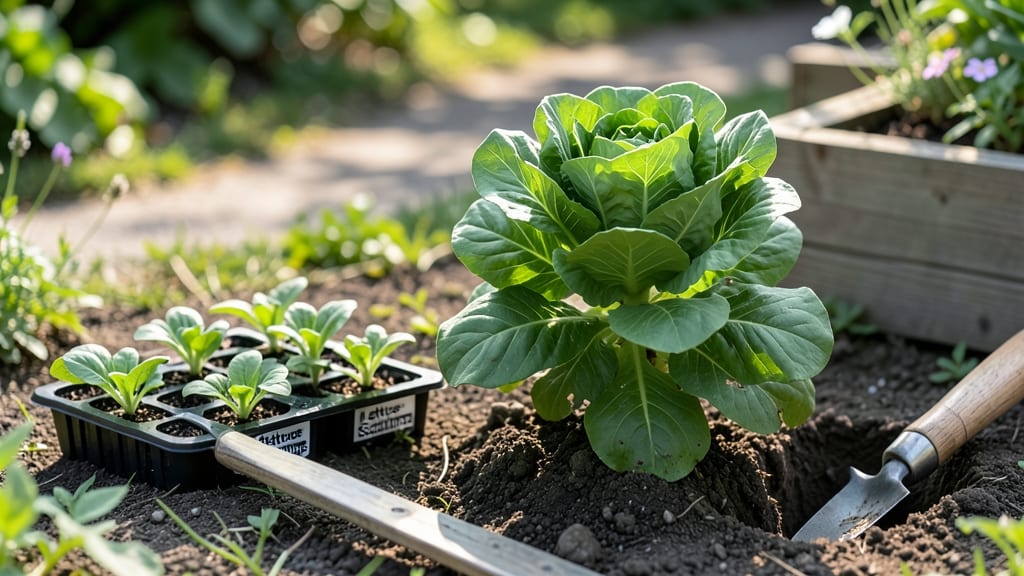
Planting vegetables in South Carolina at the right time means the difference between a bountiful harvest and a garden full of wilting dreams 🥦.
Picture this: you’ve prepped the soil, ordered seeds, and cleared your schedule for weekends of weeding—only for a late frost to turn your hard work into sad, mushy greens. Or worse, you wait too long, and the heat arrives before your tomatoes even set fruit.
The good news? South Carolina’s 7b–8a zones give you a surprisingly long growing window, but nailing the timing is the key to avoiding these common pitfalls.
In this guide, I’ll break down the exact frost-free deadlines for your zone, the best crops to plant by month, and how to stretch your season with succession planting.
Whether you’re in the Upstate’s cooler hills or the Coastal Plain’s humid lowlands, you’ll know precisely when to drop those seeds—or risk another season of gardening heartbreak.
You’ll walk away with a zone-specific planting schedule, a list of the most reliable SC-adapted varieties, and pro tips to beat frost, heat, and humidity. No more guessing—just peak harvests from spring to fall.
South Carolina planting zones & frost dates: your exact deadlines
South Carolina spans USDA Zones 7a to 8b, giving gardeners a 210-day frost-free growing season on average. But your exact planting deadlines depend on whether you're in the Upstate (Zone 7a-7b), Midlands (Zone 7b-8a), or Coastal Lowcountry (Zone 8a-8b).
These zones shift your last frost dates by weeks, so knowing your zone is critical for timing cool-season crops like broccoli or warm-season stars like tomatoes.
The average last frost dates range from March 15 in Zone 7a to March 1 in Zone 8b, while the first frost arrives between November 15 (Zone 7a) and December 1 (Zone 8b).
These dates create your planting windows: cool-season crops like lettuce thrive in spring and fall, while tomatoes and peppers need soil temps above 60°F—typically after April 15.
Here’s how to use this data: Cool-season crops (e.g., spinach, peas) go in 4-6 weeks before your last frost, while warm-season crops (e.g., cucumbers, peppers) wait until 2 weeks after your last frost.
For example, in Zone 7a (Upstate), that means late March for lettuce but mid-April for tomatoes. In Zone 8b (Coastal), you can plant tomatoes as early as February 15 under row covers.
Your zone also affects soil warmth. For example, Zone 7a soils may not reach 60°F until late April, delaying warm-season crops like squash or melons. Use a soil thermometer to confirm readiness—peppers and tomatoes need 70°F+ soil.
In Zone 8b, you can start spring tomatoes as early as February under row covers, but fall plantings must go in by August 15 to mature before frost.
Pro tip: Succession planting extends harvests. In Zone 7a, sow bush beans every 2 weeks from May to July for continuous yields. In Zone 8b, leafy greens
Best vegetables to plant by month in SC: month-by-month guide
South Carolina’s long growing season and mild winters let you grow almost year-round—but knowing exact planting times is key. Whether you’re a first-time gardener or a seasoned pro, this month-by-month guide covers what to plant, when to start, and SC-adapted varieties that thrive in your zone.
Skip the guesswork and start harvesting like a local!
Use this guide to align your planting with frost dates, soil warmth, and succession planting for continuous harvests. For example, ‘Celebrity’ tomatoes and ‘Georgia Southern’ peppers are heat-tolerant picks perfect for SC’s summer heat, while ‘Winter Density’ kale handles frost for fall harvests.
📅 Month-by-Month Planting Calendar for SC
- January: Start cool-season crops indoors—tomatoes, peppers, and broccoli. Direct-sow spinach and lettuce in protected beds.
- February: Transplant onion sets and potatoes. Direct-sow radishes and peas for early spring harvests.
- March: Plant warm-season crops like ‘Celebrity’ tomatoes and ‘Georgia Southern’ peppers after last frost (March 15). Start cucumbers and squash indoors.
- April: Direct-sow beans, corn, and okra. Succession-plant lettuce and kale every 2 weeks.
- May: Plant fall crops like carrots and beets for late-summer harvests. Watch for tomato hornworms!
- June–July: Focus on succession planting—bush beans, zucchini, and cucumbers. Mulch to retain moisture.
- August: Start cool-season crops indoors again (broccoli, cabbage). Direct-sow spinach and turnips for fall.
- September–October: Plant garlic and onion sets for next year. Succession-plant kale and lettuce.
- November–December: Focus on harvesting and soil prep. Plant winter rye as a cover crop.
Pro tip: Use row covers in early spring to protect tender seedlings from late frosts. For extended harvests, try succession planting—sow lettuce every 2 weeks from March to September. This ensures a steady supply of fresh greens all season long!
Don’t forget to rotate crops yearly to prevent soil-borne diseases. For example, plant tomatoes where beans grew last year—they’re in different plant families. This simple trick keeps your garden healthy and productive for decades.
SC’s humidity and heat can stress plants, so always water deeply in the morning and mulch heavily to retain moisture. With this schedule, you’ll enjoy homegrown veggies from spring to fall—and maybe even winter!