
Plants
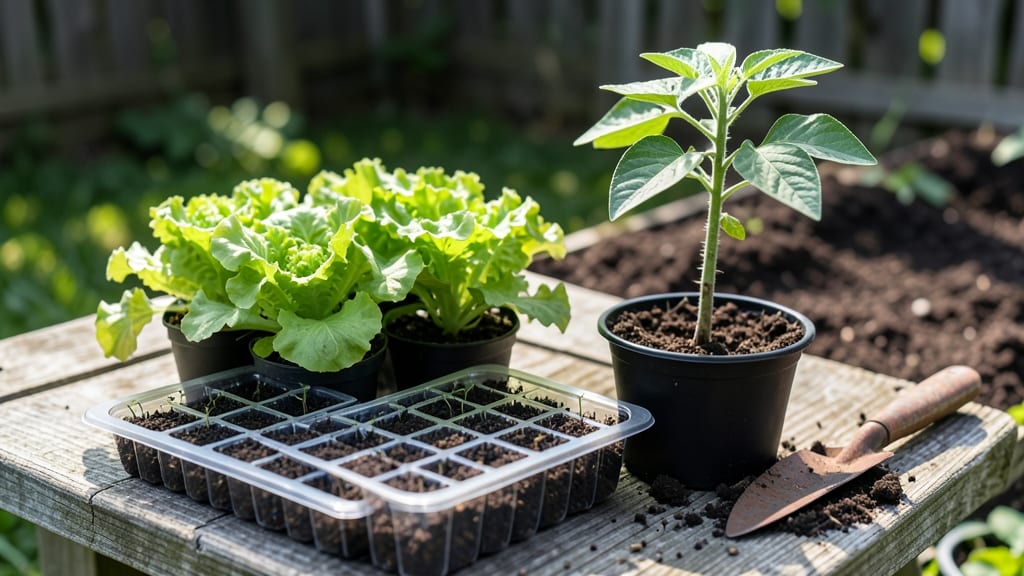
To plant veggies in Ohio, time your sowing between March 15 and May 15 for spring and July 1 to August 15 for fall—missing these windows means frost or heat will ruin your 🥕 harvest.
Ohio’s unpredictable spring weather can make or break your vegetable garden—plant too early, and frost will wipe out your crops; too late, and you’ll miss peak harvests. But with the right timing, you can enjoy a bountiful garden from early spring greens to fall squash.
Whether you're in 6a-6b zones like Columbus or Toledo, knowing the last frost date (April 15) is key. Cool-season crops like spinach and peas thrive when planted 4-6 weeks before, while tomatoes and peppers need to wait until 2-3 weeks after to avoid cold damage.
Below, I’ll break down the best planting schedule by vegetable, share tricks for extending seasons, and even include a downloadable checklist so you never miss a window again.
Ohio planting zones & best months for key vegetables
Ohio spans USDA Planting Zones 5a to 6b, meaning our growing seasons vary from 150 frost-free days in the north to 180 days in the south. This variation means your Columbus garden has a longer season than Toledo’s, while Cincinnati’s microclimate can extend harvests by weeks.
Understanding these zones helps you time plantings for cool-season crops like spinach and warm-season favorites like tomatoes without risking frost damage.
For most of Ohio, the last spring frost typically arrives April 15 in southern regions but can linger until May 1 in northern areas. Similarly, the first fall frost hits October 15 in the north but may wait until November 1 in warmer southern zones.
These dates are your planting anchors—cool-season crops need 4-6 weeks before last frost, while warm-season plants wait until 2-3 weeks after.
Here’s your Ohio planting timeline for 15+ key vegetables, adjusted for northern vs. southern zones. Use this as your garden roadmap to avoid common mistakes like bolting lettuce or stunted tomatoes.