
Plants
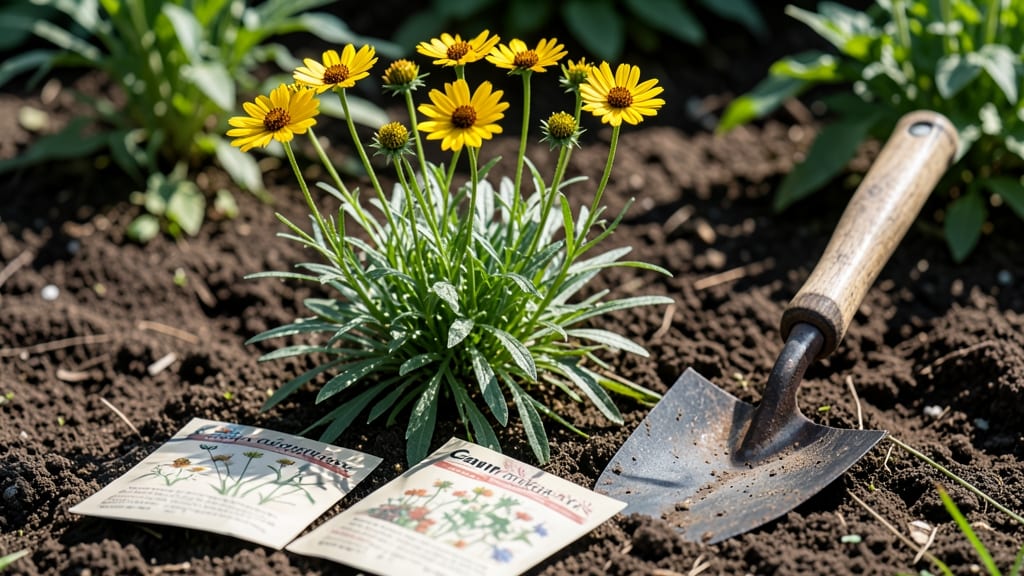
Planting wildflower seeds in Alabama at the right time means the difference between a burst of color and a sad, half-dead patch.
Alabama’s diverse climate zones—from the humid South to the cooler North—mean wildflower planting deadlines can vary by up to 6 weeks. Plant too early, and frost will wipe out your blooms; too late, and summer heat will stunt growth.
Here’s your region-specific guide to planting wildflower seeds at the perfect time for vibrant, long-lasting meadows.
Most gardeners in USDA zones 7a-8b should aim for two ideal windows: early spring (February–April) or fall (September–November). Spring planting lets you enjoy blooms by summer, while fall gives seeds a head start before winter dormancy.
Below, I’ll break down the exact frost-free deadlines by region, soil temperature tips, and how to choose seeds that thrive in Alabama’s humid summers and mild winters.
Alabama’s wildflower planting Zones: frost-free deadlines by region
Alabama’s three distinct climate zones create unique planting windows for wildflowers. In the Appalachian foothills (Zones 6-7), late frosts can linger until mid-April, while Mobile and Gulf Coast areas (Zones 8-9) may see summer-like heat by late February.
Getting the timing right ensures your wildflowers thrive from the first bloom to the last frost.
For best germination rates, aim to plant when soil temperatures reach 60°F (15°C)—a threshold most Alabama regions hit by late February to early March. However, fall planting (September–November) is equally effective, allowing seeds to establish roots before winter dormancy.
Let’s break down the frost-free deadlines by region to help you choose the perfect planting window.
📌 Key Tip: Always check your local USDA Plant Hardiness Zone for precise frost dates, as microclimates (like valleys or urban heat islands) can shift deadlines by 1–2 weeks. Use the table below as your planting timeline guide.
In North Alabama, where Zone 6–7 conditions prevail, I recommend planting wildflower seeds in late February to March to avoid late frosts. The Appalachian region often sees frost lingering until mid-April, so don’t rush—wait until soil temperatures stabilize above 60°F (15°C).
For Central Alabama (Zones 7–8), you can start as early as February 1st, but be mindful of unpredictable spring rains that can wash away seeds.
If you’re in South Alabama (Zones 8–9), your window opens earlier—mid-January to mid-February—but summer heat can arrive by late March. Planting too late risks seed desiccation before germination.
For all regions, fall planting (September–November) is a smart alternative, allowing seeds to establish roots before winter dormancy. Just ensure soil temps stay above 50°F (10°C) to prevent rot.
For best results, I suggest testing your soil temperature with a soil thermometer before planting. Most wildflower seeds need 60–70°F (15–21°C) to sprout, and cooler temps can delay germination by 2–4 weeks. In drought-prone areas like Birmingham, prioritize fall planting to take advantage of
Best wildflower seed types for Alabama’s seasons: when to plant for year-round blooms
Alabama’s wildflower meadows can burst with color from early spring through late fall, but timing is everything. Annuals like cosmos and zinnias thrive when sown in spring, while hardy perennials such as black-eyed Susans and coneflowers benefit from fall planting.
The key is matching each species to its ideal window—whether that’s February–April for spring blooms or September–November for fall establishment.
For year-round blooms, I recommend a mix of spring annuals (like lupine and sunflowers) and perennial workhorses (such as purple coneflower and butterfly weed). This strategy ensures your garden stays vibrant even when some varieties fade.
In drought-prone areas like Birmingham, prioritize native species like partridge pea or coreopsis, which handle Alabama’s hot, dry summers with ease.
🌱 Numbered Highlights: Alabama Wildflower Planting Guide
- 1 Spring Annuals: Plant cosmos, zinnias, and sunflowers in February–March for summer-to-fall blooms. These thrive in Alabama’s heat but need consistent moisture until established.
- 2 Fall Perennials: Sow black-eyed Susans and coneflowers in September–October to let roots establish before winter. They’ll reward you with early spring blooms and long-lasting color.
- 3 Drought-Tolerant Natives: For Birmingham’s dry spells, choose partridge pea or coreopsis—plant these in late winter (January–February) for spring-to-summer resilience.
- 4 Bloom-Time Calendar:
- March–May: Lupine, phlox, wild bergamot
- June–August: Zinnias, sunflowers, cosmos
- September–November: Goldenrod, aster, sneezeweed
- 5 Soil Prep Tip: Loosen soil to 1 inch deep and mix in compost before planting. Alabama’s clay-heavy soils benefit from this step to improve drainage.
Don’t overlook the power of fall planting—it’s my secret weapon for low-maintenance meadows. Seeds sown in September germinate in cool weather, avoiding summer’s intense heat and drought stress.
Plus, established roots mean fewer weeds and healthier blooms the following year. For Birmingham’s microclimate, aim for late September to early October to beat the first frost.
If you’re short on time, focus on fast-growing annuals like cosmos, which sprout in 7–10 days and bloom in 6–8 weeks. Pair them with perennial stalwarts like purple coneflower, which lives for decades with minimal care.
For maximum impact, stagger plantings every 2–3 weeks to create a continuous bloom from March through November.
Pro tip: Mark your calendar for Alabama’s average last frost dates—typically mid-March in North Alabama and early March in South Alabama. Wait until 2 weeks after the last frost to plant heat-loving annuals, or risk stunted growth.
For fall sowing, stop by late October to give seeds time to germinate before winter sets in.
With this seasonal strategy, your Alabama wildflower garden will be a pollinator paradise and a year-round color show. Start small with a 10x10-foot plot, experiment with mixes, and watch your meadow transform! 🌻