
Plants
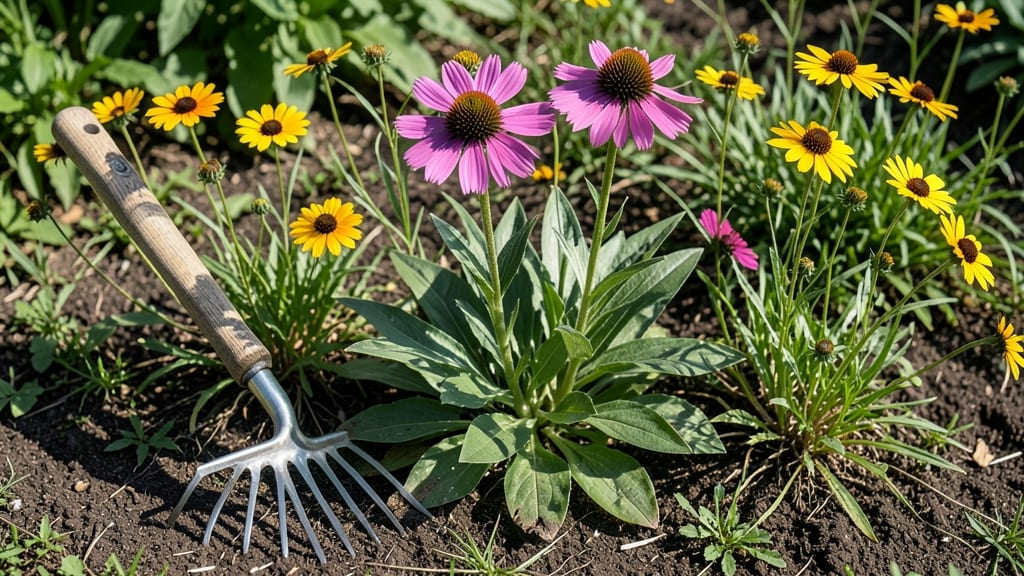
Planting wildflower seeds in Ohio at the right time means fast germination and year-round blooms—the difference between a patch of color and a forgotten corner of the yard.
Ohio’s unpredictable spring weather can make wildflower gardening a gamble—unless you know the exact timing to maximize germination and vibrant blooms all season.
Most gardeners in USDA Zone 6a swear by early spring (March–April) or fall (September–October) planting, but the best window depends on your microclimate and the wildflower mix you’re sowing.
Below, I’ll break down the fastest methods for each season, soil prep tricks to beat Ohio’s frost, and how to keep your 🌼 garden thriving once those first shoots appear.
Ohio wildflower planting calendar: best months by seed type for maximum blooms
Ohio’s diverse microclimates mean planting wildflowers isn’t one-size-fits-all. Southern Ohio’s warmer springs (like Cincinnati) let you plant annuals in February, while northern areas (like Cleveland) wait until mid-April to avoid frost.
Timing isn’t just about months—it’s about soil temperature and seed type. Perennials like black-eyed Susans thrive when sown in fall, while annuals need spring’s warmth to germinate.
Fall planting (September–October) gives seeds time to stratify naturally, mimicking winter’s cold. This breaks dormancy, so seeds sprout earlier in spring. For spring sowing, wait until the soil reaches 60°F—use a soil thermometer to check.
Ohio’s last frost dates vary by USDA Zone 5b–6a, so adjust accordingly. Southern Ohio can plant 2–3 weeks earlier than northern regions.
Native wildflowers like purple coneflower and butterfly weed are low-maintenance once established, but annuals (e.g., cosmos) need consistent moisture to germinate. Prepare soil by removing weeds, loosening the top 2 inches, and mixing in compost. Avoid heavy clay soils—amend with sand or peat moss if needed. A light mulch after planting retains moisture without smothering seeds.
For spring planting, start with annuals like zinnia or sunflower seeds in March if your soil is workable. In northern Ohio, wait until after April 15 to avoid late frosts.
Use row covers if planting early to protect tender seedlings. Fall planting is ideal for perennials—sow seeds by mid-October to allow nature to stratify them over winter. This ensures stronger roots and earlier blooms next spring.
Ohio’s microclimates play a huge role. In southern Ohio (e.g., Columbus), you can plant annuals in February under row covers, while northern Ohio (e.g., Toledo) waits until mid-April. Always check your local frost dates—the Ohio Department of Agriculture provides free frost maps.
If you’re unsure, use the back-of-hand test: press your hand into the soil; if it feels cold and damp, wait a few more days.
Preparing soil is half the battle. Remove weeds and debris, then loosen the top 2–3 inches with a broadfork or tiller. For clay-heavy soils, mix in compost or sand to improve drainage. A light raking creates a fine seedbed, ensuring seeds make good soil contact.
Avoid over-tilling—wildflowers thrive in undisturbed soil. After sowing, use a light mulch (like straw) to retain moisture without blocking light.
Watering is critical in the first 2 weeks. Keep soil evenly moist but not soggy—overwatering causes seeds to rot. Use a spray nozzle for gentle watering, aiming for the soil surface, not the leaves.
Once seedlings appear, reduce watering to once weekly. Native wildflowers are drought-tolerant once established, but annuals need consistent
How to time wildflower planting for Ohio’s unpredictable weather: pro tips for success
Ohio’s spring frost dates can shift by weeks, leaving new gardeners frustrated when their wildflower seeds fail to sprout. The key to success? Timing based on soil temperature, not just calendar dates.
Most wildflowers need soil temps above 60°F to germinate reliably, which in Ohio typically happens by mid-April in southern regions but not until late April or May in northern areas.
Even if you’ve picked the right month, moisture management can make or break your wildflower meadow. Seeds need consistent contact with damp soil to activate, but too much water can rot them before they sprout.
I’ve found the two-step planting method works best for Ohio’s unpredictable rainfall—plant seeds lightly in dry soil, then water gently until the surface is just moist.
⚠️ WARNING: Ohio’s Frost Risk Zones
Planting too early in northern Ohio (Zones 5b-6a) risks frost damage to tender seedlings. Use this rule: Wait until after the last average frost date (typically April 15 in southern Ohio, May 1 in the north). For fall planting, seeds must go in 6-8 weeks before first frost (aim for mid-September in most regions).
Pro Tip: Check soil temperature with a thermometer—60°F+ is your green light for spring planting. Fall seeds need 50-60°F soil to germinate before winter dormancy.
For high-risk zones like the Toledo area or Appalachian foothills, I recommend the two-step planting method. First, sow seeds in late March under a lightweight frost cloth.
If frost hits, the cloth protects young shoots while letting sunlight through. Then, once nighttime temps stay above 40°F consistently, remove the cloth and let nature take over.
Ohio’s summer droughts can also stress new wildflower seedlings. After planting, maintain light but consistent moisture for the first 4-6 weeks. I’ve had the most success with drip irrigation systems or soaker hoses—these deliver water directly to the soil without disturbing seeds.
Once seedlings reach 2 inches tall, they’ll tolerate drier conditions like established wildflowers.
Don’t overlook fall planting as your safety net for Ohio’s variable springs. Seeds sown in September or early October germinate slowly in cool soil, then enter dormancy—only to burst into growth when spring arrives.
This method gives you a head start on summer blooms and avoids the late-spring planting rush when soils can be too dry.
Remember: Native wildflowers like black-eyed Susans and cone flowers are hardy once established, but their first year is critical. By mastering soil temperature checks, moisture control, and seasonal timing, you’ll turn Ohio’s unpredictable weather into an advantage for year-round color.
Start with small test plots to perfect your timing before committing to large meadows.