
Plants
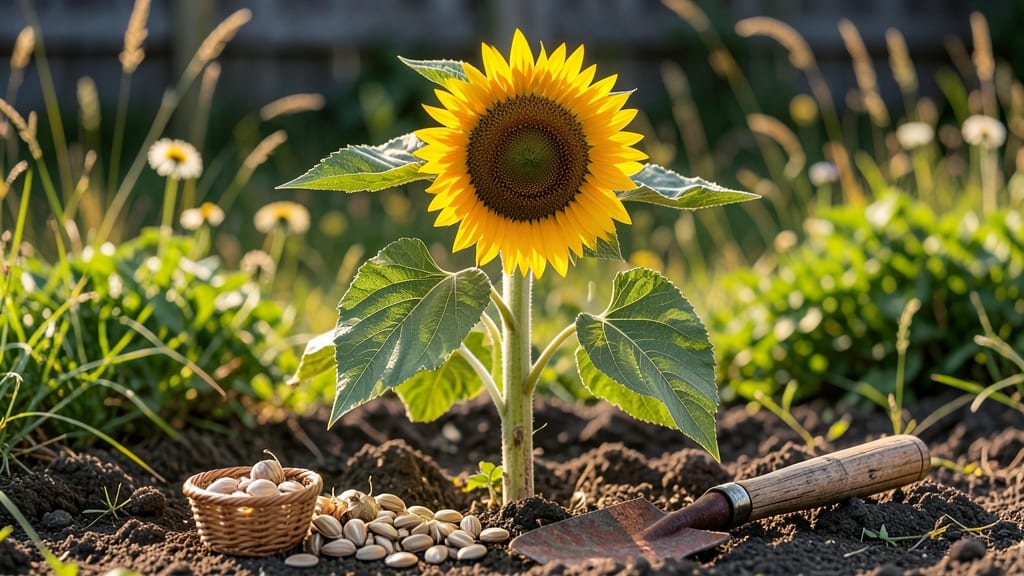
Plant sunflower seeds in Virginia when soil temperatures hit 55°F or warmer—typically between mid-April and mid-June after the last frost 🌻.
Miss that window, and you risk slow germination or stunted growth, even in Virginia’s warm climate. The key is waiting for the earth to warm up enough to trigger those fast-sprouting seeds.
Here’s how to check soil warmth, pick the right sunflower variety for your zone, and time your planting for a fast harvest from August to October.
From soil thermometers to mulch tricks, I’ll walk you through every step to get your sunflowers off to the best start in 6a-8a.
Virginia sunflower planting calendar: best months by soil temperature
Virginia's USDA zones 5b–8a create a unique window for planting sunflower seeds—but getting the timing right means the difference between fast germination and weeks of waiting. The key? Soil temperature must reach 55°F+ for seeds to sprout consistently.
Below, I’ll break down the best planting months by zone and soil warmth, so you can align your schedule with Virginia’s unpredictable spring.
Sunflowers are warm-season lovers, and planting too early in cold soil leads to rotten seeds or stunted growth. In northern Virginia (zones 5b–6a), wait until mid-April to early May when soil hits 60°F+.
Meanwhile, southern Virginia (zones 7a–8a) can start as early as late March, but only if soil is already warm. The ideal window for most gardeners? April through June, when temperatures stabilize between 65°F–85°F.
| USDA Zone | Best Planting Month | Soil Temp (°F) | Last Frost Risk | Notes |
|---|---|---|---|---|
| 5b–6a (Northern VA) | Mid-April to early May | 60–65°F | High (wait until after last frost) | Use black plastic mulch to warm soil faster |
| 6b–7a (Central VA) | Late March to mid-April | 55–60°F | Moderate (check local frost dates) | Start seeds indoors in zone 6b if soil is cold |
| 7b–8a (Southern VA) | Late February to early April | 55–70°F | Low (rare frost after March) | Direct-sow early for giant varieties |
| All Zones | May–June (backup window) | 70–85°F | None | Best for late-summer blooms |
If you’re in zone 5b–6a, don’t rush to plant in March—even if the air feels warm, soil stays cold until April. I’ve seen gardeners in Roanoke plant too early and end up with rotten seeds because the ground was only 45°F.
A soil thermometer (just $10) is your best friend here. For zones 7b–8a, you can push the envelope and plant as early as late February, but cover seeds with row fabric to protect against late frosts.
Pro tip: Black plastic mulch can raise soil temperature by 10–15°F in just days. Lay it down 1–2 weeks before planting to create a warmer microclimate for your seeds.
I’ve used this trick in zone 6a to plant sunflowers by early April instead of waiting until May. Just remove the mulch once seeds sprout to avoid overheating.
For dwarf varieties like ‘Teddy Bear’ (3–4 ft tall), you can squeeze in a second planting in July for late-summer blooms. These fast growers (50–60 days to maturity) will still produce flowers before frost hits.
But tall varieties like ‘Russian Giant’ need the full 100–120 days, so plant them by mid-June at the latest in northern Virginia.
One mistake I see often? Planting sunflowers too close to spring frost dates. Even if seeds sprout, a late frost can kill young seedlings. Check your local frost calendar (Virginia Cooperative Extension has great resources) and plant 4–6 weeks before the average last frost.
In zone 7a, that’s usually mid-April; in zone 8a, you can go as late as early May.
If you’re unsure about soil warmth, do this quick test: Press your hand into the soil for 5 seconds. If it feels warm to the touch (like a cozy sweater), it’s ready. If it’s cold or damp, wait another week.
I’ve used this method for years—no fancy tools needed! For extra insurance, plant a test row of seeds and monitor germination. If they sprout in 7–10 days, you’re golden. If not, the soil’s still too cool.
Remember, sunflowers are drought-tolerant once established, but they won’t germinate in cold, wet soil. The sweet spot is 65–75°F soil, where seeds sprout in 5–7 days.
In hotter months (June–July), soil can exceed 85°F, which is fine—just water deeply to keep roots cool. The worst enemy of sunflower seeds? Cold, soggy soil.
For a bountiful harvest,
How to test soil warmth for sunflower germination success
Sunflowers love warmth, but Virginia’s spring can be unpredictable—cool mornings followed by scorching afternoons. To ensure your sunflower seeds sprout quickly, you need to check your soil’s internal temperature, not just the air temperature.
Most seeds germinate best when soil reaches 55–85°F, but sunflowers prefer the warmer end of that range: 60–70°F for fastest results.
I’ve learned the hard way that planting too early—even with last frost dates passed—can leave seeds sitting in cold soil for weeks. Without proper warmth, germination slows or stops entirely, wasting your time and seed investment.
The key is testing your soil’s temperature before planting, especially in Virginia’s USDA zones 5b–8a, where spring can linger.
⚠️ WARNING: Planting Too Early or Too Late ⚠️
Here’s how I test soil warmth: Grab a soil thermometer (they’re cheap and worth it!) and insert the probe 2–3 inches deep, mimicking your planting depth. Check temperatures at 10 AM and 4 PM for 2–3 days to account for daily swings. If your readings consistently hit 60°F or warmer, your soil is ready for sunflower seeds.
If your soil is still cool, don’t panic! You can accelerate warmth by using black plastic mulch or clear plastic tunnels to trap heat. I’ve seen soil temps rise 10–15°F in just a few days with this trick.
For container growers, place pots in a sunny, sheltered spot like a greenhouse or against a south-facing wall to warm up faster.
Once your soil hits the sweet spot, plant seeds 1 inch deep and 6 inches apart in rows. Water gently but thoroughly to settle the soil around seeds, then keep the area moist (not soggy) until sprouts appear.
In Virginia, this usually means April or early May for most regions, but always double-check with your local last frost date.
Pro tip: If you’re in Zone 5b or 6a, aim for mid-May to avoid late spring frosts. Warmer zones (7a–8a) can start as early as late March or April, but test that soil first!
With the right warmth, your sunflowers will sprout in 7–14 days, giving you a head start on those towering 10-foot stalks by summer. 🌻