I’ve always had a green thumb—whether it was sneaking extra seeds from my mom’s garden when I was a kid or turning our backyard into a jungle of houseplants as a teenager. Now, I’m here to share the joy of growing things with you, from troubleshooting wilting leaves to celebrating that first harvest. My approach is simple: practical advice, real experiences, and a little bit of the wonder I still feel every time something thrives.
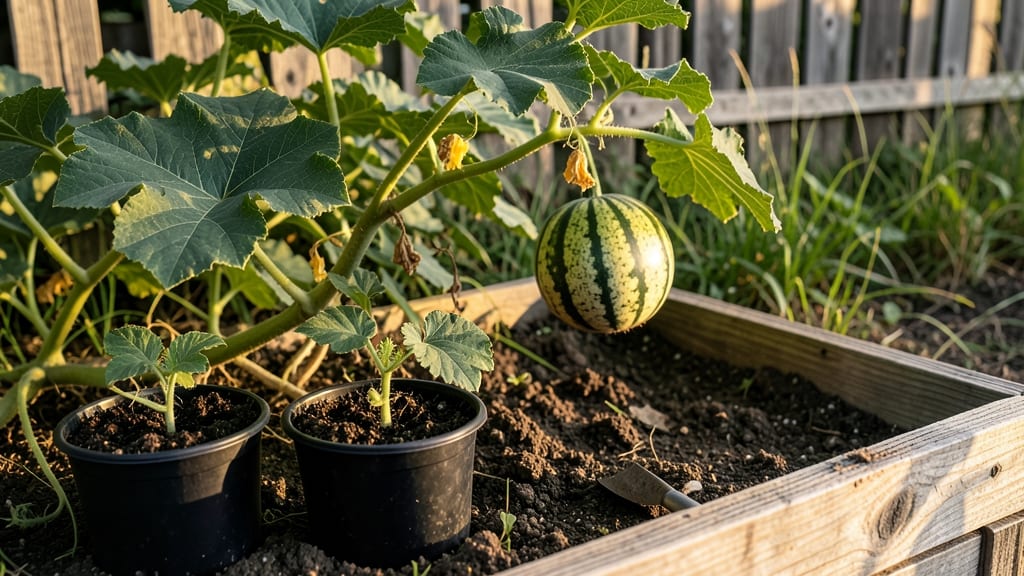
Planting watermelon in Arizona at the right time means the difference between a bountiful harvest and a wilted vine by July. You might assume Arizona’s heat is the enemy of watermelon growth, but the secret is starting…
Plant watermelon in Central Texas when soil temperatures hit at least 70°F —typically between late February and mid-April for spring harvests or July–August for fall crops. If you’ve ever watched your 🍉 seeds rot in…
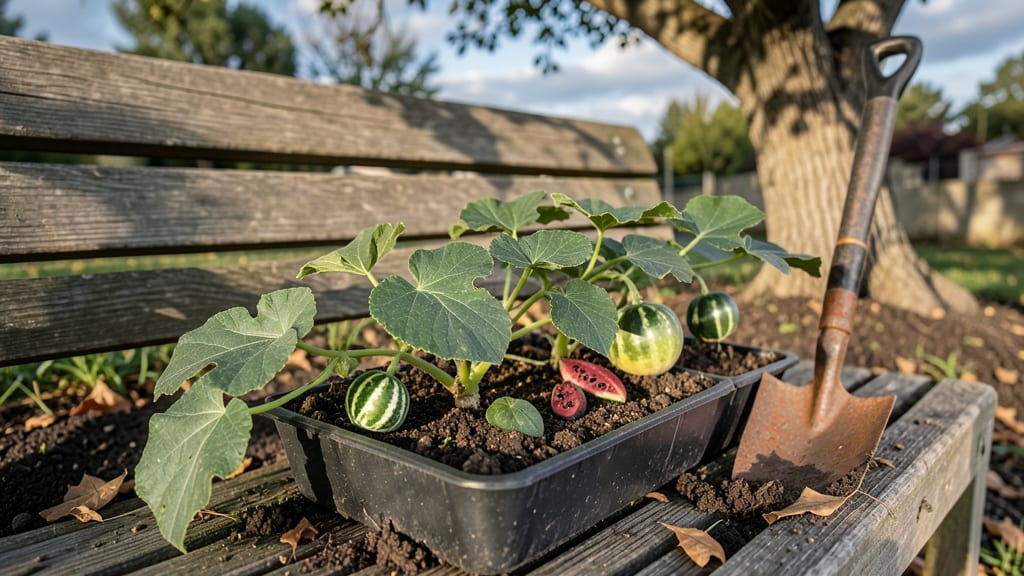
Planting watermelon in Iowa after the last frost—when soil hits 70°F and daytime highs stay above 60°F —is the key to avoiding bitter fruit or wasted seeds. Iowa’s unpredictable spring weather can make planting…
Planting watermelon in Zone 6 after the last frost date—typically mid-April to early May—sets the stage for a juicy, vine-ripened harvest by summer’s end. If you’ve ever dreamed of biting into a homegrown watermelon so…
Planting watermelon seeds in NC after your last frost date—typically mid-April to early June—ensures your 🍉 vines thrive in the state’s warm summers. But here’s the catch: North Carolina’s diverse climate zones mean a…
Plant watermelons in East Texas between mid-April and early May to dodge frost and race ahead of the heat. East Texas gardeners know the struggle—plant watermelons too early, and frost wipes them out; too late, and the…
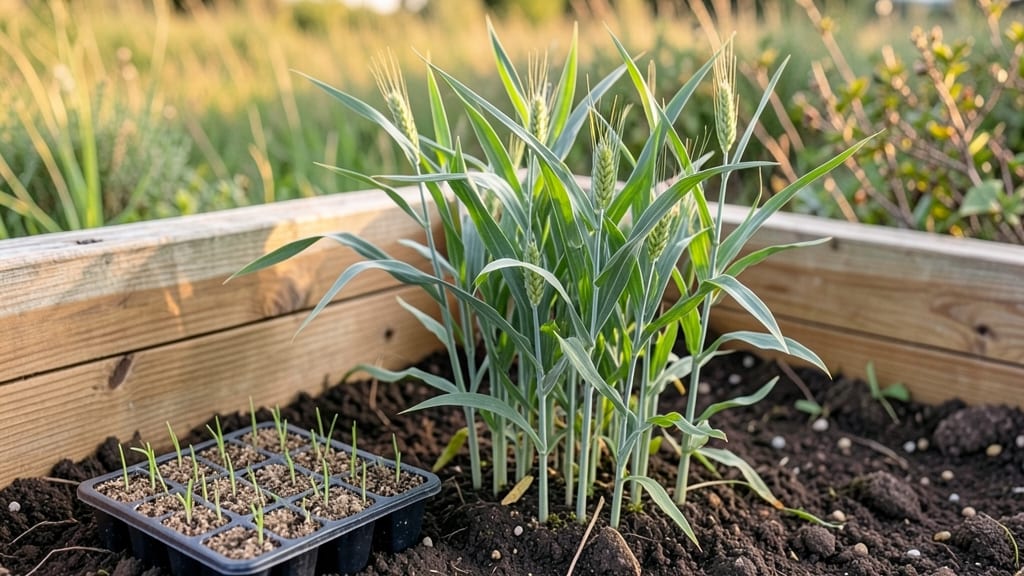
Planting wheat in South Carolina at the right time ensures a strong start before the first frost hits—aim for late September through early November or February to early March for best results. Timing your wheat planting…
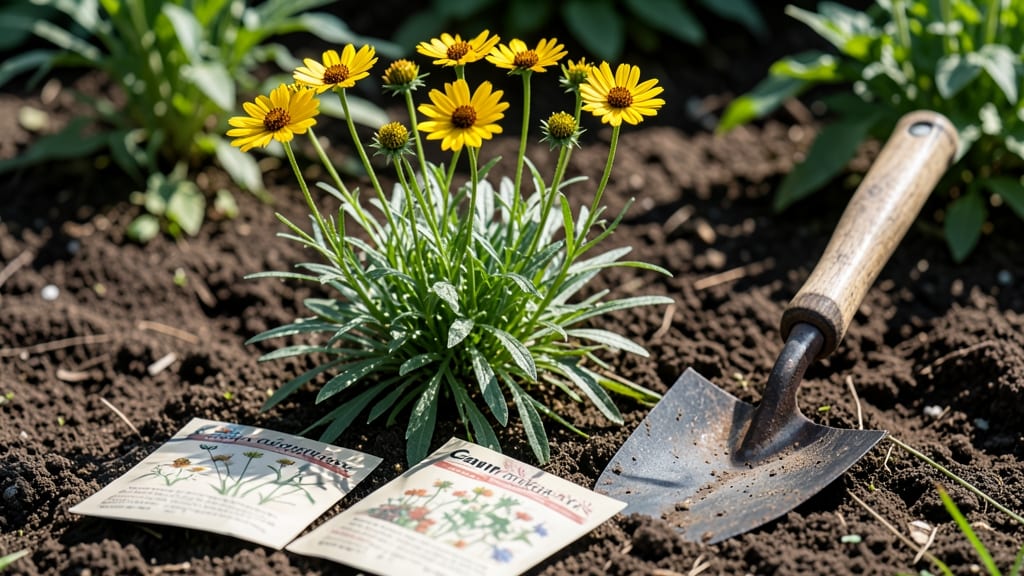
Planting wildflower seeds in Alabama at the right time means the difference between a burst of color and a sad, half-dead patch. Alabama’s diverse climate zones—from the humid South to the cooler North—mean wildflower…
To plant wildflower seeds in Maine, aim for late summer to early fall — when soil stays warm enough to germinate but before the first frost arrives. Maine’s unpredictable spring weather can turn wildflower gardening into…
Planting wildflower seeds in Ohio at the right time means fast germination and year-round blooms —the difference between a patch of color and a forgotten corner of the yard. Ohio’s unpredictable spring weather can make…